
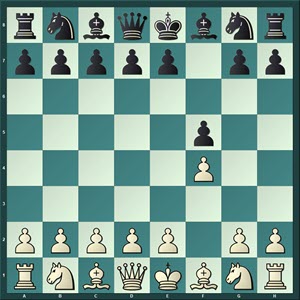
1.f4, f5 introduces the Cannard Formation within the Bird’s Opening, named after the French chess player Eugène Cannard. This move by Black immediately challenges White’s pawn on f4 and establishes a solid pawn structure in the center. By advancing the f-pawn, Black aims to control the e4 square and potentially prepare for a kingside pawn expansion. The Cannard Formation often leads to positions with locked pawn structures and closed positions, where strategic maneuvering and piece placement become critical. This setup can lead to a double-edged game where both players must carefully navigate the complexities of the position to seize the initiative.
White’s move, 1.f4, known as the Bird’s Opening, is an unconventional choice aimed at controlling the e5 square and preparing for a potential kingside pawn expansion. With this move, White avoids more common openings such as 1.e4 or 1.d4, opting for a flexible approach to the game. However, Black’s response with f5 immediately confronts White’s pawn on f4 and sets the stage for a tense struggle for control of the center.